
News
Stay up to date on the latest crypto trends with our expert, in-depth coverage.

1Bitget Daily Digest (Jan.16)|CME to Launch ADA, LINK and XLM Futures on Feb 9; Bitmine Purchases 24,068 ETH; Polygon Lays Off 30% to Pivot Toward Stablecoin Payments2Atomic Wallet raises red flags in viral $479k Monero loss claim3Bitcoin Sheds 30% of Open Interest: Is a Rebound Imminent?

Digg unveils its new competitor to Reddit for everyone to access
101 finance·2026/01/14 19:18
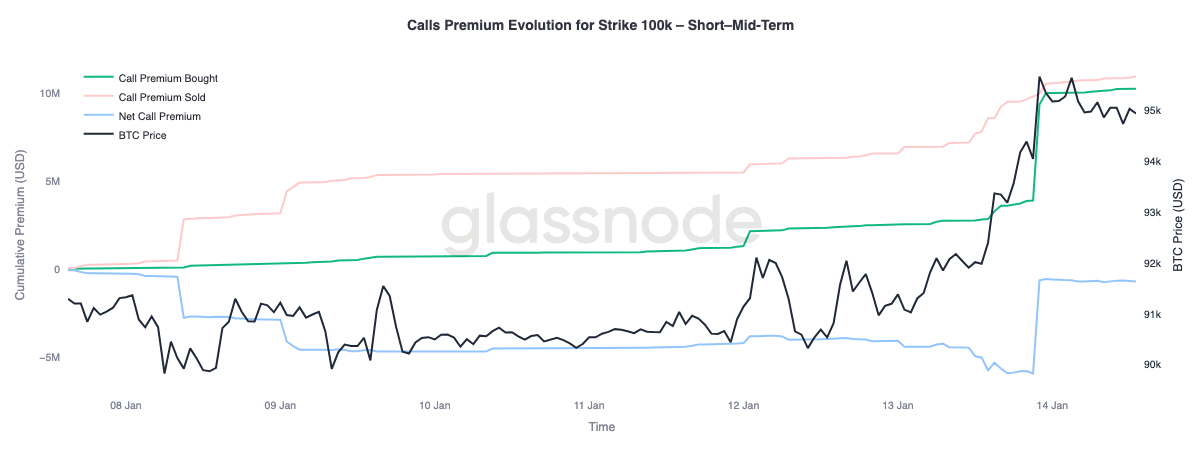
Bouncing Into Supply
Glassnode·2026/01/14 19:15
Blackstone and General Atlantic-supported Liftoff Mobile submits application for initial public offering
101 finance·2026/01/14 19:06
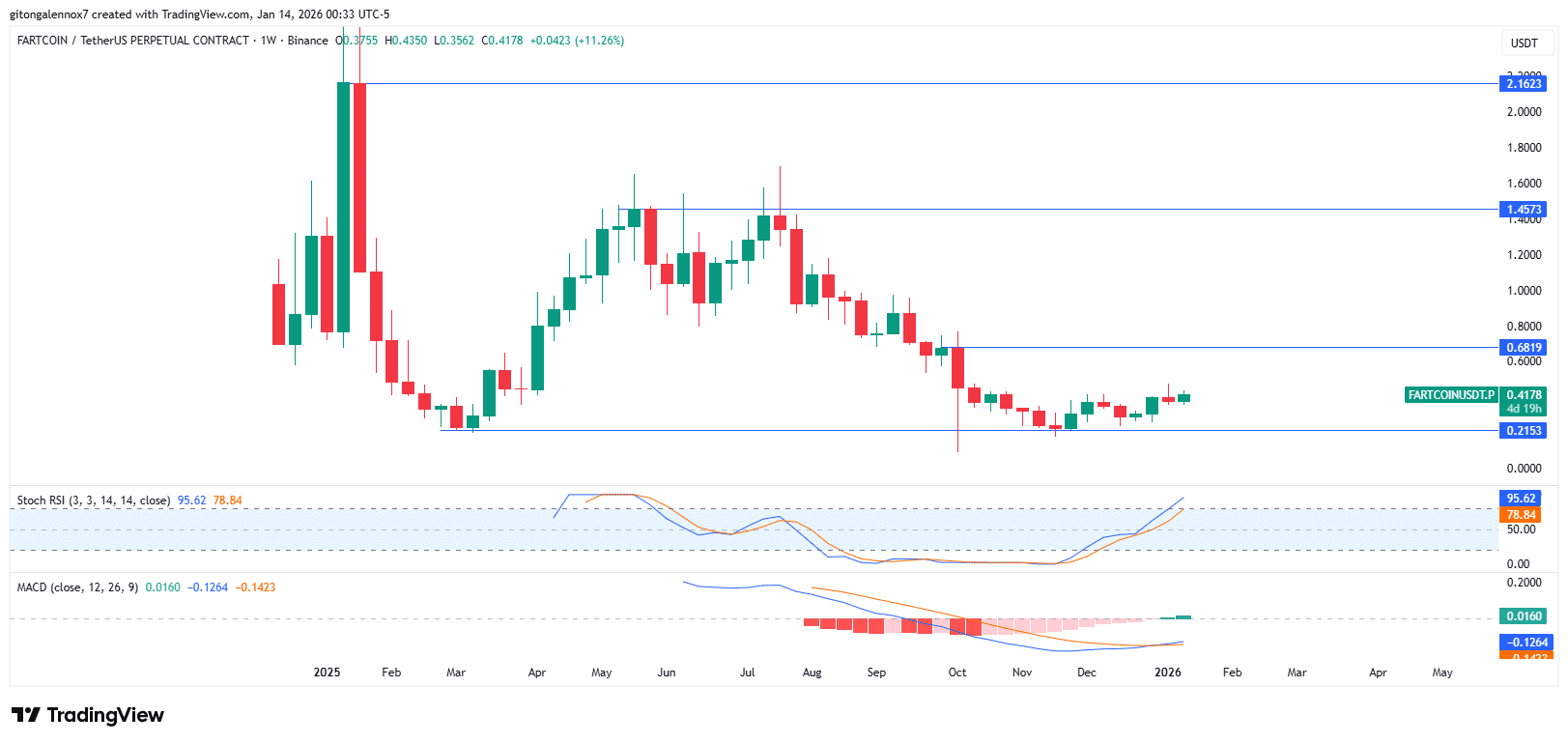
FARTCOIN’s 12% rally is just the start if buyers do THIS…
AMBCrypto·2026/01/14 19:03
Whole Foods co-founder praises Jeff Bezos as a ‘visionary’ who ended the ‘Whole Paycheck’ reputation
101 finance·2026/01/14 19:03
Crypto Asset Manager Bitwise Launches Exchange Traded Fund (ETF) Tied to This Altcoin! Here Are the Details
BitcoinSistemi·2026/01/14 19:00

BlockDAG’s $442M Presale and 1,566% Locked Upside Steal the Entire Trader Focus! Ethereum Holds Firm & Shiba Inu Surges
BlockchainReporter·2026/01/14 19:00
The Protocol: Vitalik Buterin highlights issues in stablecoin design
101 finance·2026/01/14 18:54
Bitcoin rallies past $97,000 as investors seek haven assets
101 finance·2026/01/14 18:51
Flash
19:52
Galaxy CEO: The Real Friction Point of the Crypto Market Structure Bill Lies with the BanksJinse Finance reported that Galaxy CEO Michael Novogratz pointed out the reasons for the slow progress of the cryptocurrency market structure bill. He said that both parties want to pass this bill, which in itself is not a problem. The real friction point lies with the banks—especially regarding stablecoins. Currently, large banks pay depositors almost zero interest (about 1-11 basis points), while deposits placed at the Federal Reserve can earn a yield of 3.5-4%. The emergence of stablecoins threatens this interest rate spread. If consumers can earn yields elsewhere, deposits will shift—and banks’ profits will decrease. That’s why this is such an intense lobbying battle. If stablecoins are allowed to compete, banks will either lose deposits or have to pay consumers more. This is the trade-off that legislators are working hard to balance. So yes, it is indeed a contest between the U.S. Securities and Exchange Commission (SEC) and the Commodity Futures Trading Commission (CFTC). But ultimately, it’s about who can control the economic benefits of your funds. That’s why this bill is harder to pass than it appears.
18:46
Stablecoin mechanisms make US dollar risk native to cryptocurrenciesJinse Finance reported that research by the Bank for International Settlements shows that stablecoins are closely related to the pricing dynamics of safe assets. This means that term premium shocks are not just a matter of "macro sentiment"; they also affect the yield, demand, and on-chain liquidity conditions of stablecoins. When the term premium rises, the cost of holding for a period also increases, which may spill over into stablecoin reserve management and alter the liquidity of risk trades. While bitcoin may not directly replace government bonds, in its ecosystem, government bond pricing sets the "risk-free" benchmark.
18:15
Bloomberg analyst questions banks' concerns over stablecoin yieldsBloomberg ETF analyst James Seyffart stated on social media that banks' concerns about stablecoin yields are puzzling. There are already many high-yield savings accounts on the market with yields reaching 3% or even higher, such as Betterment, Marcus/Goldman, CIT, SoFi, AmEx, Wealthfront, etc. These accounts also put pressure on deposits with yields below 0%, similar to the impact of stablecoin yields.
News