
Renewable Energy Training as a Key Investment to Meet Future Workforce Needs
- Farmingdale State College's Wind Turbine Technology program aligns with surging demand for skilled labor in decarbonizing economies, driven by U.S. renewable energy targets. - Industry partnerships with Orsted, GE Renewable Energy, and $500K in offshore wind funding validate the program's role in addressing workforce shortages in expanding wind sectors. - Hands-on training with GWO certifications and VR simulations prepares graduates for high-demand, high-salary roles ($56K-$67K annually), reducing corpo
The Economic Impact of Renewable Energy Education
The worldwide movement toward renewable energy is driving not only environmental progress but also significant changes in the global economy. As countries commit to reducing carbon emissions, there is a rapidly increasing need for skilled professionals in fields such as wind energy. Academic initiatives like the Wind Turbine Technology program at Farmingdale State College are at the forefront of this evolution, tailoring their curricula to match the surge in demand for specialized jobs. By examining these educational pathways, both investors and policymakers can better determine where to direct funding and resources to address future workforce requirements and seize emerging economic prospects.
Preparing Students for the Wind Energy Sector
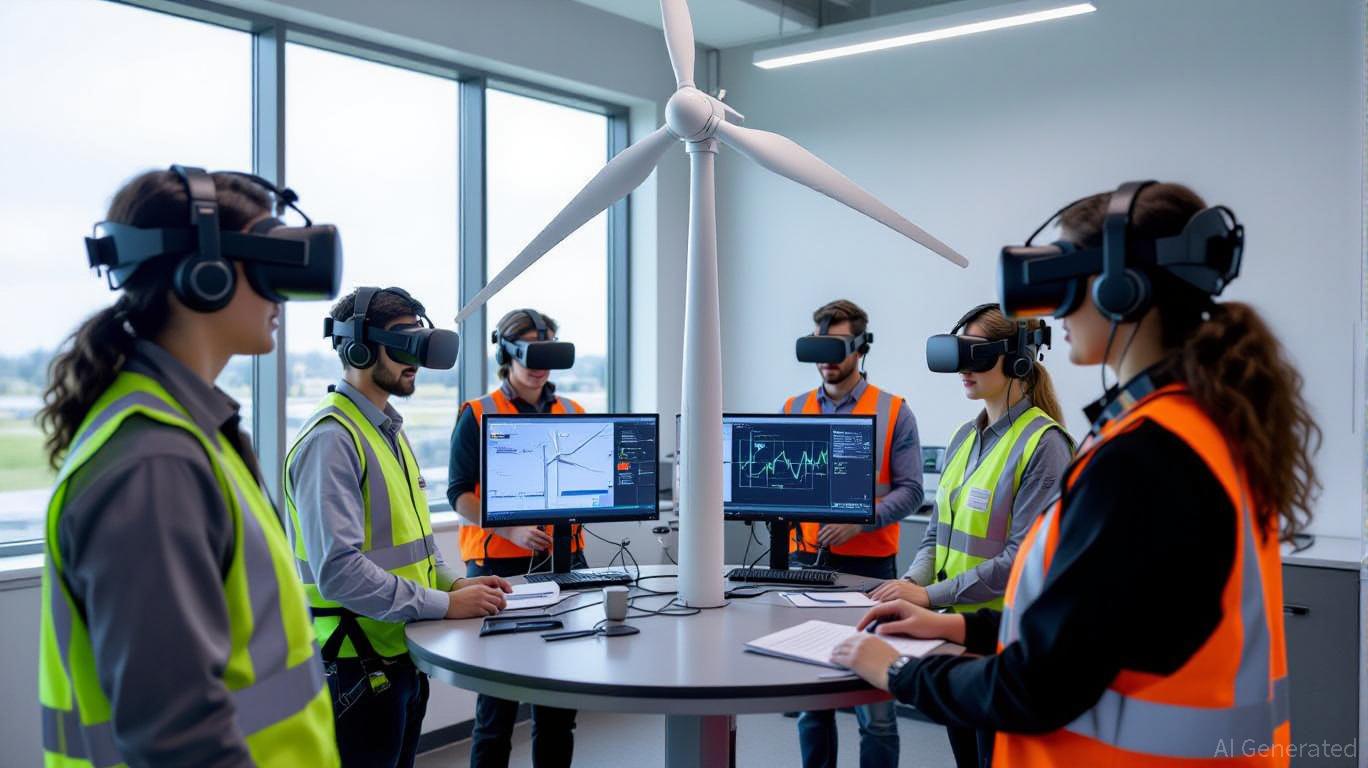
Farmingdale State College’s Wind Turbine Technology program is a prime example of how higher education can directly address industry needs. The curriculum prioritizes experiential learning, utilizing advanced facilities and virtual reality tools to train students in inspecting, diagnosing, and maintaining wind turbines. This hands-on approach is vital, especially as projections from the U.S. Bureau of Labor Statistics indicate a 60% increase in wind turbine technician roles between 2023 and 2033—far exceeding average job growth rates. Such expansion is fueled by ambitious national goals, such as generating 20% of the country’s electricity from wind by 2030.
Industry Collaboration and Career Opportunities
Strong partnerships with leading companies—including Orsted, Equinor, GE Renewable Energy, and Vestas—ensure that students have clear pathways into both onshore and offshore wind careers. These collaborations are strategic, addressing the urgent need for a skilled workforce as the United States ramps up its offshore wind initiatives. Notably, Farmingdale has secured $500,000 to launch a microcredential program focused on offshore wind technology, a field anticipated to generate thousands of new jobs in the coming years.
Competitive Salaries and Market Demand
Although specific job placement rates for Farmingdale graduates are not publicly available, broader employment trends highlight the program’s value. In 2021, wind turbine technicians in the United States earned a median annual wage of $56,260, with those in New York State averaging $67,010—a testament to the premium placed on specialized expertise. These figures illustrate the strong earning potential for graduates entering this rapidly growing sector.
Meeting Industry Standards
The program’s integration of Global Wind Organization (GWO) Basic Skills training ensures that students are well-prepared for the physical and technical challenges of the profession. Such industry-recognized certifications are increasingly essential for employment, allowing graduates to transition seamlessly into the workforce with minimal need for additional training.
Building a Talent Pipeline
Farmingdale’s commitment extends beyond technical instruction. Initiatives like the “Exploring Career Pathways in the Wind Industry” event introduce high school students to renewable energy careers, helping to cultivate the next generation of talent. This collaborative approach—linking academia, industry, and government—mirrors successful models in other fast-growing sectors and addresses critical skills shortages.
Guidance for Investors and Policymakers
For those looking to invest, programs like Farmingdale’s serve as early indicators of where capital and support are most needed. The expansion of the renewable energy industry is bolstered by policies such as the Renewable Fuel Standard and the Inflation Reduction Act, which encourage the adoption of clean energy. By supporting educational institutions that prepare workers for these fields, investors and stakeholders can mitigate labor shortages and contribute to the long-term viability of renewable energy projects.
Conclusion: Education as a Catalyst for a Sustainable Future
Farmingdale State College’s Wind Turbine Technology program exemplifies how education is evolving to meet the needs of a low-carbon economy. As the world accelerates efforts to achieve climate targets, institutions that bridge academic learning with practical skills will be instrumental in shaping tomorrow’s workforce. For those aiming to align their investments with both economic growth and environmental responsibility, investing in renewable energy education is not just beneficial—it is essential for building a resilient 21st-century labor market.
Disclaimer: The content of this article solely reflects the author's opinion and does not represent the platform in any capacity. This article is not intended to serve as a reference for making investment decisions.
You may also like
The ICP Surge: Unpacking a 30% Jump and Its Driving Factors
- ICP surged 30% in late October 2025 amid speculation and institutional adoption, driven by Microsoft/Azure partnerships and AI upgrades like Caffeine. - On-chain data shows 35% growth in active addresses but 91% fewer token transfers during downturns, highlighting fragile retail-driven momentum. - TVL hit $237B via asset tokenization, yet dApp engagement dropped 22.4%, signaling volatility despite 40+ tech upgrades including Chain Fusion. - Analysts project $11.15–$88.88 price ranges by 2030, contingent

The Rise of a Structured Market for Clean Energy Derivatives and Its Influence on Institutional Investors
- CFTC's 2025 approval of CleanTrade and other platforms as SEFs transformed the opaque clean energy derivatives market into a transparent, institutional-grade ecosystem. - CleanTrade's $16B notional trading volume in two months highlights surging demand for standardized instruments, attracting BlackRock and Goldman Sachs to hedge decarbonization risks. - ESG-driven institutional investment in renewables reached $75B in Q3 2025, with global clean energy derivatives projected to grow from $39T to $125T by 2

The Rise of a Fluid Clean Energy Marketplace: How CleanTrade is Transforming Institutional Investment in Renewable Resources
- CleanTrade's CFTC-approved SEF platform transforms VPPAs, PPAs, and RECs into institutional-grade renewable energy commodities. - The platform addresses historic market issues like illiquidity and opacity, enabling $16B in notional trading volume within two months. - Industry giants Cargill and Mercuria validate clean energy as a serious asset class through strategic participation in the regulated market. - By aligning financial and ESG goals, CleanTrade creates scalable alpha opportunities as global cle

Clean Energy Market Dynamics and Investment Prospects: The Role of CFTC-Approved Platforms in Facilitating Institutional Participation
- CFTC-approved platforms like CleanTrade are transforming clean energy markets by standardizing derivatives and centralizing trading infrastructure, boosting institutional liquidity and transparency. - CleanTrade’s SEF designation in September 2025 enabled $16B in notional trades within two months, converting illiquid assets like RECs into tradable commodities with ESG-aligned risk management tools. - Institutional demand surged as 70% of large asset owners integrated climate goals, with IRA-driven clean
Trending news
MoreCrypto prices
More





