- Do Kwon faces sentencing in New York, reviving focus on the TerraUSD collapse.
- Prosecutors seek 12 years; defense asks for five in the Terra fraud case.
- Kwon, Terraform settled with SEC, paying major fines over TerraUSD failures.
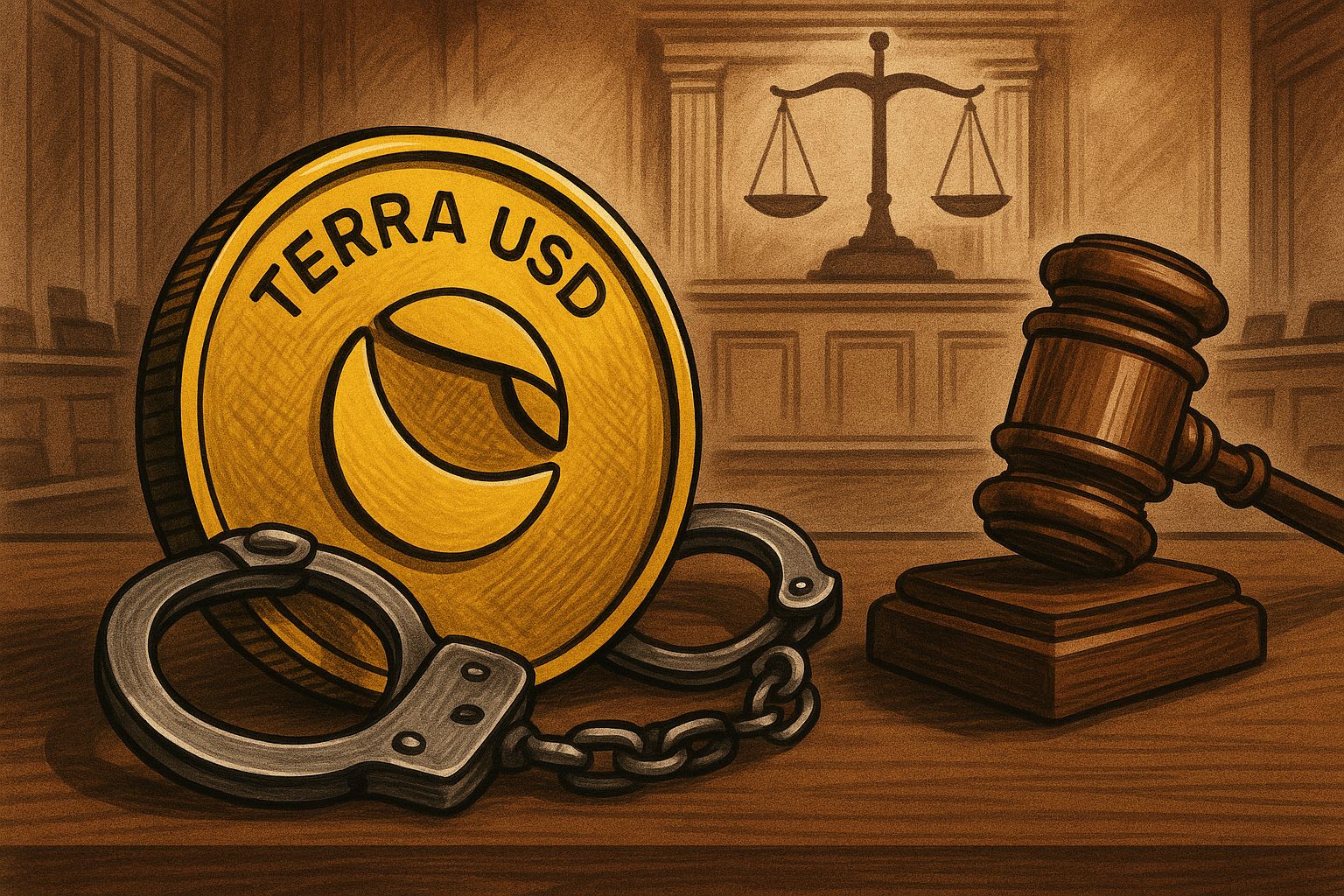
Do Kwon’s sentencing in New York on Thursday is set to become one of the most-watched moments in the global crypto sector, bringing the TerraUSD collapse back into public attention more than two years after the dramatic fall of the token.
The hearing, scheduled for 11 a.m. local time in Manhattan, as reported by Reuters , will determine how the courts respond to one of the most damaging events in digital asset history.
Kwon, the 34-year-old co-founder of Terraform Labs in Singapore, admitted to misleading investors about the behaviour of TerraUSD, which was marketed as a stablecoin designed to keep its value steady during periods of market volatility.
The token’s sharp breakdown, along with the linked Luna cryptocurrency, erased an estimated $40 billion and contributed to a wave of failures across the industry.
Market turmoil
The crash of TerraUSD in 2022 unfolded during a broader downturn that exposed vulnerabilities in multiple digital asset companies.
Kwon became one of several industry leaders charged after the sell-off triggered investigations into business practices linked to failed projects.
Prosecutors said, notes Reuters, the collapse of Terra caused billions in losses and intensified instability at a time when crypto markets were already under pressure.
TerraUSD had been positioned in 2021 as a stablecoin intended to stay at $1 regardless of market swings.
When the token slipped below the peg in May 2021, investors were told that its recovery came from an automated system called Terra Protocol.
Prosecutors said charging documents showed that the recovery was instead supported by a high-frequency trading firm that secretly purchased large amounts of TerraUSD to push its value back up.
Criminal case
Kwon was charged in January with nine counts, covering securities fraud, wire fraud, commodities fraud and money laundering conspiracy.
He later pleaded guilty to conspiracy to defraud and wire fraud, admitting to misleading investors about the factors behind TerraUSD’s return to its intended price.
As per Reuters, prosecutors have asked the court to impose a sentence of at least 12 years, arguing that the consequences of the Terra collapse contributed to widespread market disruption.
Kwon’s legal team has requested that the sentence be limited to five years so that he can serve time in the United States and then return to South Korea, where he faces additional criminal charges.
His case forms part of a broader series of actions by authorities seeking to clarify how companies communicate the risks of complex crypto assets.
Civil settlement
The sentencing follows a major civil settlement agreed in 2024 between Kwon, Terraform Labs and the US Securities and Exchange Commission.
Under that arrangement, Kwon must pay an $80 million civil fine and is barred from engaging in crypto transactions, while the companies involved accepted a wider penalty totalling $4.55 billion.
The settlement formed a central part of regulators’ efforts to address the issues raised by Terra’s collapse and the communication practices surrounding it.
Kwon’s situation also includes a cross-border dimension, as South Korea continues its separate legal proceedings.
Prosecutors in the United States said they would not oppose a request for transfer after Kwon completes half of his US sentence, a measure built into the plea agreement, according to Reuters.
With the hearing set for 1600 GMT, policymakers, investors and market analysts are paying close attention to how the sentence may influence future enforcement in digital finance and other investigations linked to failed crypto products.