
DASH Increases by 2.44% as Significant Insider Selling and Purchase Indicators Emerge
- DASH rose 2.44% in 24 hours to $50.1, showing a 31.63% annual gain despite a 11.79% seven-day drop. - High-ranking insiders sold millions via 10b5-1 plans, including $9. 3M by Stanley Tang and $6.19M by Andy Fang. - Alfred Lin’s $100.2M purchase signaled confidence, contrasting with other sales and suggesting undervaluation. - Market reacted positively short-term, but analysts expect macroeconomic and business fundamentals to support DASH ahead.
DASH Stock Sees Mixed Performance Amid Notable Insider Trades
On December 4, 2025, DASH experienced a 2.44% increase over the previous 24 hours, reaching $50.1. Despite this short-term uptick, the stock faced a 11.79% decline over the past week and a 6.55% drop over the last month. However, looking at the bigger picture, DASH has climbed 31.63% over the past year. These market movements have coincided with a series of insider transactions that have caught the attention of investors.
Recent Insider Transactions
In the opening days of December 2025, several senior leaders at DoorDash Inc. engaged in significant stock transactions, all conducted under pre-established 10b5-1 trading plans to comply with insider trading regulations.

- On December 2, 2025, Director Ashley Still sold 62 shares at $205.58 each, totaling $12,746, leaving her with 6,203 shares.
- On December 1, 2025, Officer and Director Stanley Tang sold 45,410 shares at $205.07 apiece, amounting to nearly $9.3 million. He now holds 23,554 shares directly.
- Officer and Director Andy Fang sold 30,000 shares at an average price of $206.63, for a total of $6.19 million, retaining 20,030 shares.
- Gordon S. Lee, another company officer, sold 2,159 shares at $204.48 each on December 1, 2025, for $441,472, and now directly owns 87,232 shares.
Contrasting Moves Among Insiders
While several executives opted to sell shares, a different trend emerged in late November. Alfred Lin, a DoorDash Director and Sequoia Capital partner, made a substantial purchase of over 514,000 shares, investing more than $100.2 million. This large-scale acquisition is widely interpreted as a strong endorsement of the company’s future prospects and suggests Lin views the stock as undervalued.
The divergence between routine executive sales and Lin’s significant purchase highlights differing perspectives within DoorDash’s leadership. While sales under 10b5-1 plans are often part of regular financial planning, Lin’s discretionary investment signals a long-term commitment.
Market Response and Outlook
Investors responded positively to DoorDash’s recent performance, with the stock rising 2.44% in the last day. Nevertheless, the broader trend remains uncertain, as the stock has fallen over 10% in the past week and nearly 6.5% in the last month. Despite this volatility, the stock’s year-over-year growth remains strong at over 31.63%.
Looking ahead, analysts expect DoorDash’s stock to be influenced by both macroeconomic factors and company fundamentals. The company’s participation in major financial events, such as its inclusion in earnings reports for the week of December 19, 2025, is likely to keep it in the spotlight for investors.
Summary
DoorDash Inc. has recently seen a range of insider transactions, from scheduled executive sales to a major purchase by Alfred Lin. These activities offer valuable insight into the perspectives of those closest to the company and may indicate confidence in its long-term value. As the stock stabilizes in the near term but faces ongoing market fluctuations, upcoming financial data will be key in shaping DASH’s direction in the weeks ahead.
Disclaimer: The content of this article solely reflects the author's opinion and does not represent the platform in any capacity. This article is not intended to serve as a reference for making investment decisions.
You may also like
AAVE drops 1.47% amid Aave’s overhaul of its multichain approach
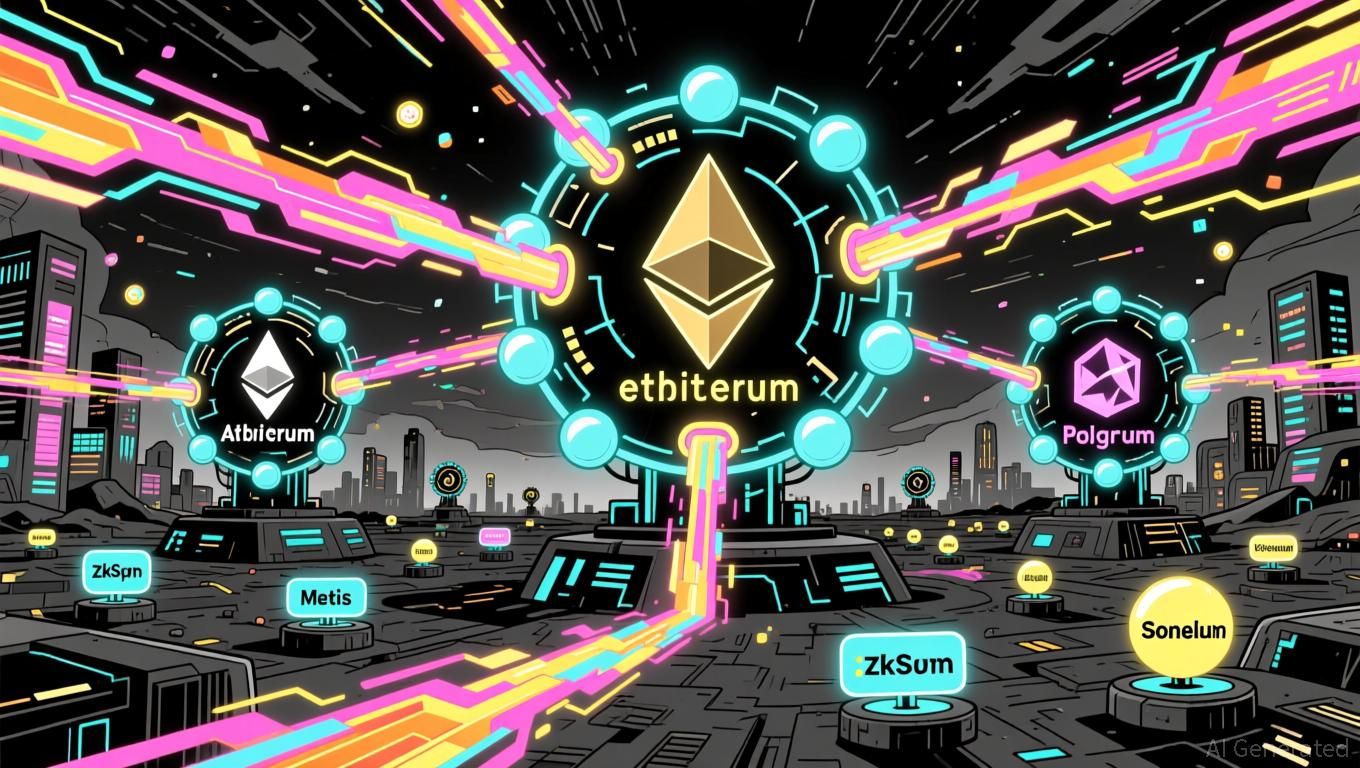
- Aave's multichain strategy shift caused AAVE to drop 1.47% despite 7.08% weekly gains. - Governance proposal aims to consolidate operations on high-revenue chains like Ethereum , phasing out low-performing deployments. - Strategy prioritizes capital efficiency and risk management by focusing liquidity on core networks with stronger revenue potential. - Unanimous DAO support signals industry trend toward quality-focused chain selection over maximalist expansion in DeFi.
LUNA Price Remains Steady as U.S. Lawmakers Advance Stock Trading Ban
- LUNA's price remained stable at $0.0727 in 24 hours but fell 82.47% annually amid U.S. legislative efforts to restrict congressional stock trading. - Rep. Anna Paulina Luna's bipartisan bill seeks to ban lawmakers, spouses, and children from individual stock trading to address ethical conflicts. - The bill, supported by 100+ co-sponsors, faces opposition over financial flexibility concerns for lower-income legislators amid unchanged congressional salaries since 2009. - A discharge petition aims to force

PENGU Price Forecast for 2026: Managing Fluctuations and Momentum from Key Catalysts After the 2025 Market Adjustment
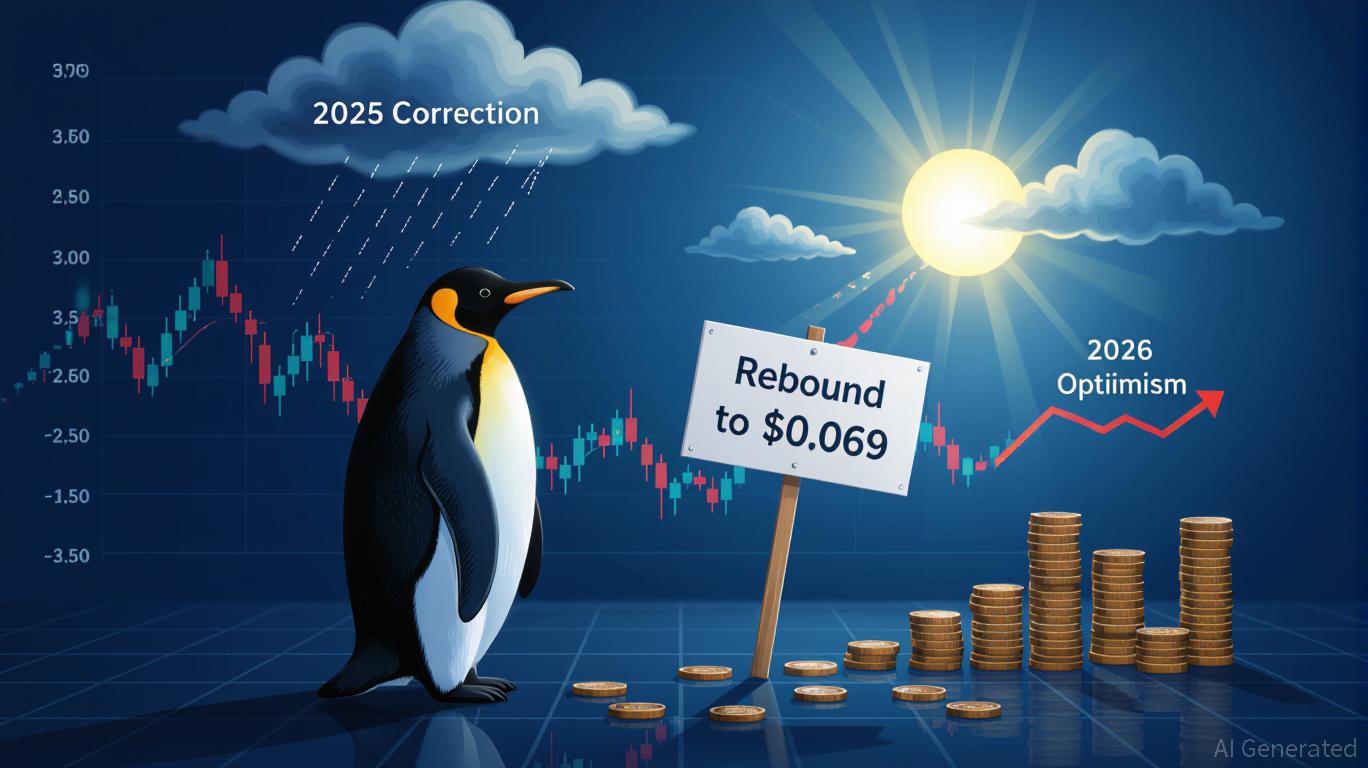
- 2025 crypto market correction reshaped altcoin dynamics as Bitcoin/Ethereum declined amid macroeconomic uncertainty and regulatory pressures. - Pudgy Penguins (PENGU) saw sharp volatility post-correction, with technical indicators suggesting potential $0.069 rebound by 2026 if adoption metrics align. - Strategic partnerships with Bitso and cross-chain integrations, plus Kung Fu Panda NFT collaborations, aim to boost PENGU's liquidity and mainstream adoption. - Despite 12% early 2026 price drop, Pudgy Inv
ZEC Value Increases by 4.82% Following Recent Exchange Listing
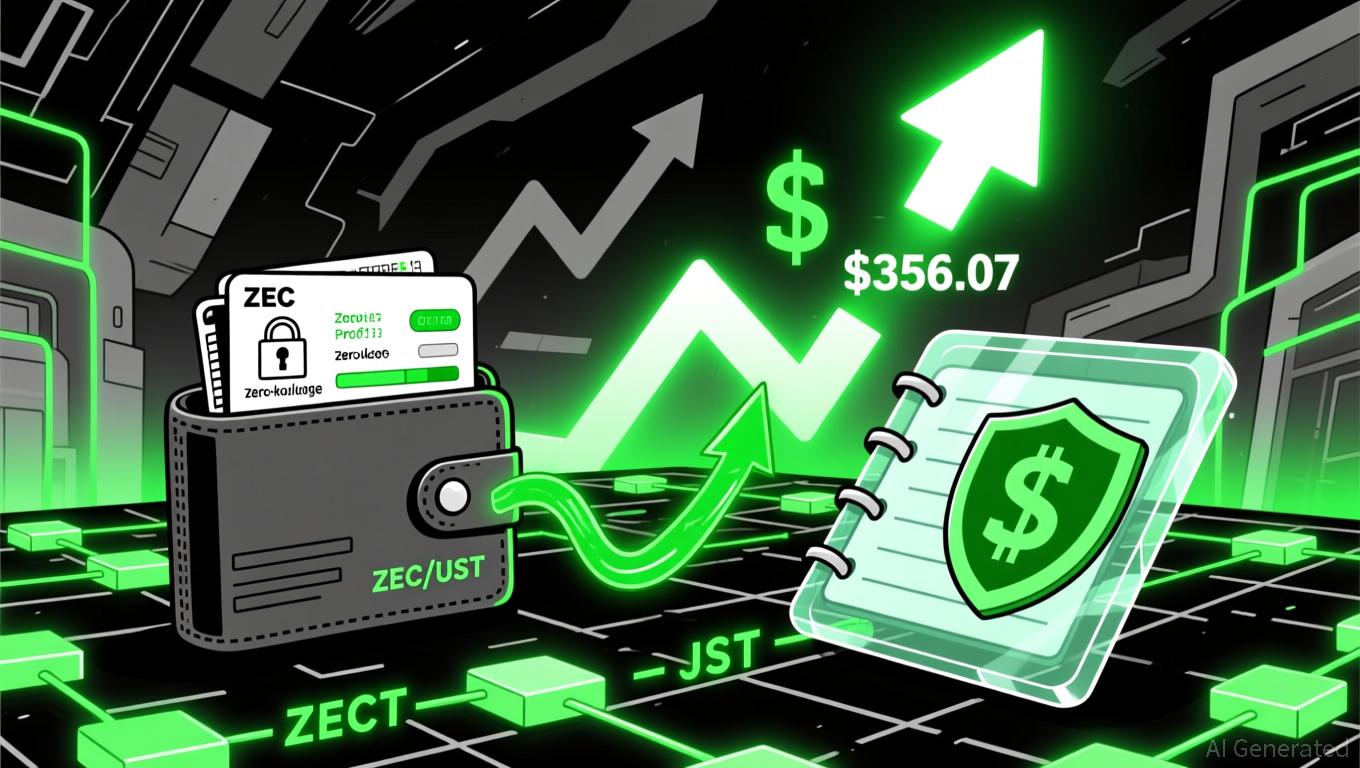
- Zcash (ZEC) surged 4.82% in 24 hours after Bitget listed it for spot trading on Dec 3, 2025, boosting short-term liquidity and visibility. - Zcash’s zero-knowledge proof technology enables encrypted transactions while maintaining blockchain integrity, distinguishing it as a privacy-focused asset. - Bitget’s UEX model supports multi-chain access, aligning with Zcash’s goal to balance transparency and privacy, though recent 7-day and 1-month declines highlight market volatility risks.
Trending news
MoreCrypto prices
More






