
The Xerox Campus Transformation: Ushering in a New Era of Industrial Property Expansion in Webster, NY
- Xerox’s 300-acre NY campus, funded by a $9.8M FAST NY grant, is transforming into a $1B+ industrial hub by 2025. - Infrastructure upgrades and EPA-approved remediation, including groundwater treatment and bedrock enhancement, ensure the site’s viability for advanced manufacturing and logistics. - Subdividable land parcels (40–100 acres) with pre-built infrastructure attract manufacturers, supported by state incentives and a 10.1% surge in local property values. - Low vacancy rates (2%) and proximity to I
Xerox Webster Campus: Pioneering the Future of Industrial Real Estate
The Xerox campus in Webster, New York, is undergoing a dramatic transformation from an outdated industrial site into a forward-thinking model for modern industrial development. Thanks to a $9.8 million FAST NY grant, this 300-acre brownfield is being redeveloped into a state-of-the-art, billion-dollar industrial center by 2025. The site will feature cutting-edge manufacturing spaces, robust logistics infrastructure, and a prime location near the I-90 corridor, making it highly attractive to investors and developers. This initiative combines significant public funding, comprehensive environmental cleanup, and strategic municipal planning to unlock valuable, easily subdividable land for long-term investment opportunities.
Major Infrastructure Overhaul
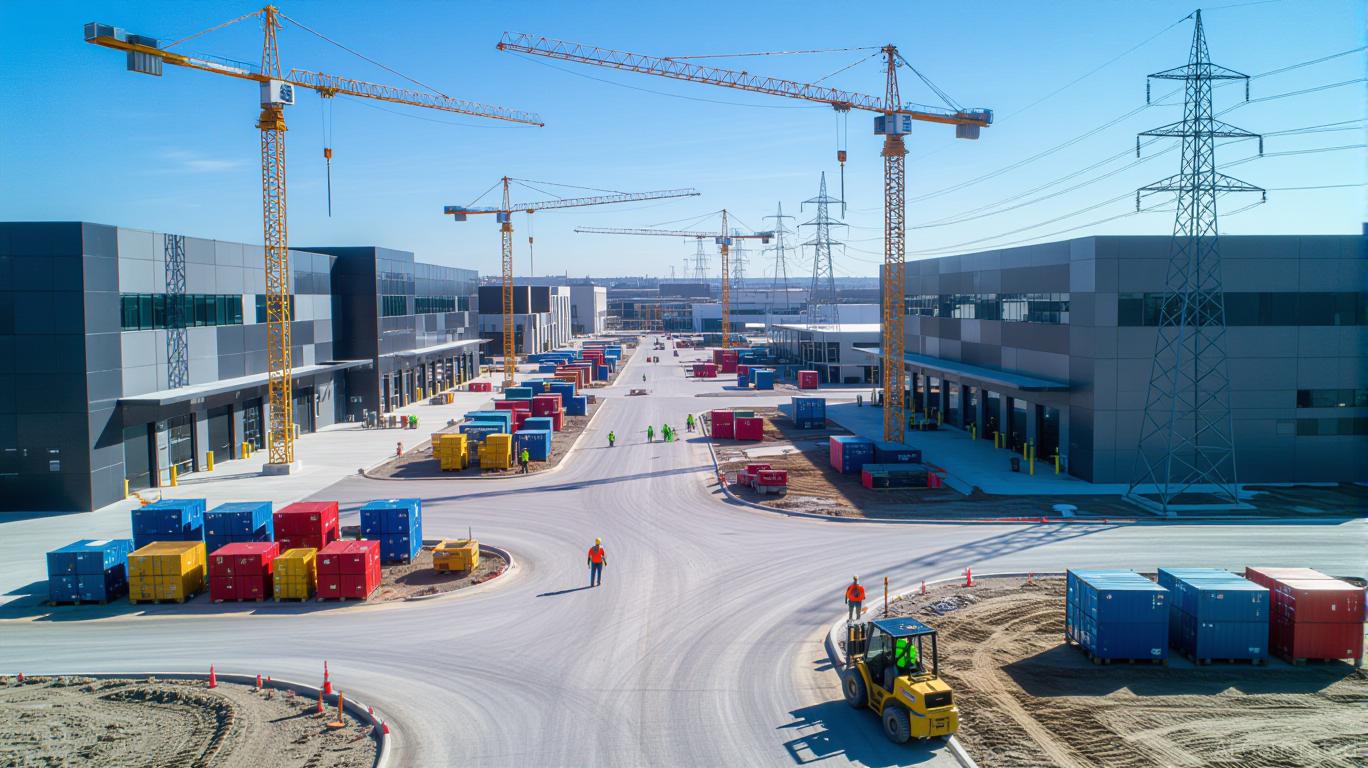
The scale of infrastructure improvements at the site is remarkable. The FAST NY grant is enabling extensive upgrades, including realigning roads, expanding sewer systems, and modernizing the electrical grid. These enhancements are transforming the campus into a ready-to-develop asset for industries such as semiconductor manufacturing, renewable energy, and logistics. By 2025, the site will offer over one million square feet of industrial space, with current vacancy rates at an exceptionally low 2%—far below the national average of 7.4%. As supply chains evolve and nearshoring becomes more prevalent, locations like Webster are emerging as vital links in the national industrial network.
Unlocking Development Potential
Xerox is seeking approval to rezone 300 to 500 acres of its property into subdividable parcels, each surrounded by improved roads and upgraded power infrastructure. This would allow for the sale of 40- to 100-acre lots, perfectly suited for private sector development. For manufacturers and logistics companies, the appeal is clear: pre-approved land, modern infrastructure, and access to a skilled workforce. The state's investment significantly reduces risk for private developers, making this a compelling, low-risk opportunity with high potential returns.
Setting New Standards in Environmental Remediation
Webster is also raising the bar for environmental cleanup in brownfield redevelopment. Xerox has implemented EPA-endorsed methods such as pump-and-treat groundwater systems, controlled blasting to improve bedrock permeability, and two-phase extraction to address contamination. These efforts have already reduced groundwater pollution and ensured indoor air quality meets occupational safety standards. For investors, this means the site is fully cleared for future use, a crucial factor in attracting long-term tenants.
Economic Impact and Growth
The economic benefits of this redevelopment are already visible. Residential property values in Webster have climbed by 10.1% between 2023 and 2024, and median household incomes have increased by 4.31%. Major projects nearby, such as the $650 million fairlife® dairy plant, are generating hundreds of jobs and anchoring the area’s new industrial identity. State incentives and affordable energy costs further enhance Webster’s appeal, making it a top choice for manufacturers seeking both efficiency and scalability.
Strong Market Demand and Strategic Partnerships
Looking ahead, demand for industrial space in Webster is expected to remain strong, with absorption rates projected to outpace supply after 2025. The site's alignment with Governor Hochul’s vision for a sustainable economic ecosystem and its proximity to key transportation routes are attracting strategic investors. Public-private partnerships are helping to mitigate development risks, and the state’s broader $400 million initiative underscores the strong political support behind this project.
Considerations and Outlook
While every investment carries some risk—such as potential delays in tenant acquisition or uncertainties in workforce availability—these challenges are manageable for companies with a long-term perspective. The real opportunity lies in acting swiftly, before the market fully recognizes the site's potential.
Conclusion
The redevelopment of the Xerox campus in Webster stands as a prime example of how industrial real estate can flourish when public policy, environmental responsibility, and private innovation come together. For real estate and development professionals, this project offers a blueprint for the next wave of industrial expansion in Upstate New York. The real question is not whether to invest, but how soon you can secure your place in this transformative venture.
Disclaimer: The content of this article solely reflects the author's opinion and does not represent the platform in any capacity. This article is not intended to serve as a reference for making investment decisions.
You may also like
Bitcoin Updates Today: Bitcoin Faces Challenges Amid Stablecoin Uncertainty and Changing Regulations
- Bitcoin's structural resilience persists amid monthly volatility, driven by evolving regulations, institutional adoption, and shifting market sentiment. - SEC's 2025 regulatory framework aims to streamline crypto oversight, potentially reducing uncertainty and aligning with global standardization efforts. - Tether's USDT stability downgrade raises concerns over Bitcoin's role in reserves, while Arthur Hayes predicts $80k-$250k price swings tied to liquidity and Fed policy. - Infrastructure projects like

Bitcoin News Update: Cryptocurrency Markets Confront Threefold Challenges: Increased Regulatory Oversight, Shifting Corporate Strategies, and Technical Hurdles Hamper BTC Rebound
- Asian markets and crypto assets fell as Japan's BOJ policy shifts drove capital out of equities and digital currencies, with Bitcoin dropping below $82,000. - Tether defended its USDt stablecoin amid S&P's "weak" rating, citing $215B in Q3 2025 assets, but ongoing stability concerns persist in the crypto sector. - Binance faces legal challenges including a Hamas attack-related lawsuit, compounding regulatory risks for crypto exchanges amid compliance scrutiny. - Grayscale's Zcash ETF filing highlights ni

Ethereum News Update: Apeing’s 10x Presale Advantage Depends on Prompt Community Participation
- Apeing ($APEING) presale offers 10x potential gains via early whitelist access, contrasting its $0.0001 presale price with a projected $0.001 listing. - Community-driven projects like FARTCOIN and PEPE demonstrate how cultural relevance and engagement drive meme coin growth, mirroring Apeing's strategy. - Ethereum's gas improvements and XRP's institutional adoption create a favorable market backdrop, supporting speculative meme coin opportunities. - Investors are urged to assess risks despite projected 1

Deciphering the ZKsync Boom: The Impact of Vitalik's Support on Layer 2 Adoption
- Vitalik Buterin's endorsement boosted ZKsync's $ZK token by 143%, signaling growing institutional and retail confidence in ZK rollups. - The Atlas upgrade achieved 43,000 TPS with 70% lower gas fees, attracting Deutsche Bank and UBS for asset tokenization and compliance solutions. - ZKsync trails Arbitrum ($16.63B TVL) but aims to close gaps via privacy-centric design and the upcoming Fusaka upgrade targeting 30,000 TPS. - Institutional partnerships and Ethereum's ZK roadmap position ZKsync as a key play
Trending news
MoreCrypto prices
More





