
Swiss investigation targets FIFA's blockchain-based "right to buy" tokens

- RTB investigated for alleged similarity to games
- Tradable Tokens on FIFA's NFT Marketplace
- Platform migrated to Avalanche blockchain
The Swiss gambling regulator (Gespa) has opened a preliminary investigation into whether “right to purchase” tokens — or RTB —sold by FIFA before the 2026 World Cup fall under gambling regulations. No formal charges have been filed so far.
The analysis focuses on determining whether these tokens, which are tradable on FIFA's NFT marketplace, have gambling-like characteristics or merely represent conditional purchase rights. The Swiss authority has not yet received any complaints or identified any irregularities, but is gathering facts to decide whether any action is necessary, Manuel Richard, the agency's director, told Bloomberg.
According to FIFA itself, RTB tokens are not tickets: they grant the holder the right to purchase a ticket at its original price, provided specific conditions are met. These tokens reserve a purchase window for specific matches and can be traded on the secondary market through the FIFA platform, in partnership with Modex.
The RTB initiative debuted at the 2024 World Cup final, with 1.000 opportunities available to fans. Team-linked tokens are only activated if the corresponding country qualifies, and can then be sold on the native marketplace.
For the 2026 tournament, which will be hosted by the USA, Canada, and Mexico, "Right to the Final" tokens range in price from $299 to $999, depending on the team. Many are already sold out, with favorites like Brazil, England, and Argentina in the higher ranges, while underdogs have lower prices.
FIFA argued that RTBs offer a solution to the strong demand for tickets — for the 2022 World Cup alone, there were 3,4 million tickets for 23 million requests, according to data released by the organization.
In parallel, FIFA migrated its digital collectibles platform, FIFA Collect, to its own blockchain-based technology Avalanche —, abandoning the Algorand network. The move aims to ensure greater control and compatibility with wallets and dApps in the EVM ecosystem. This infrastructure should also support other Web3 products, such as mobile gaming. FIFA Rivals, which allows the exchange of NFT cards and club management in the blockchain universe.
Disclaimer: The content of this article solely reflects the author's opinion and does not represent the platform in any capacity. This article is not intended to serve as a reference for making investment decisions.
You may also like
A detailed overview of technology layoffs in 2025
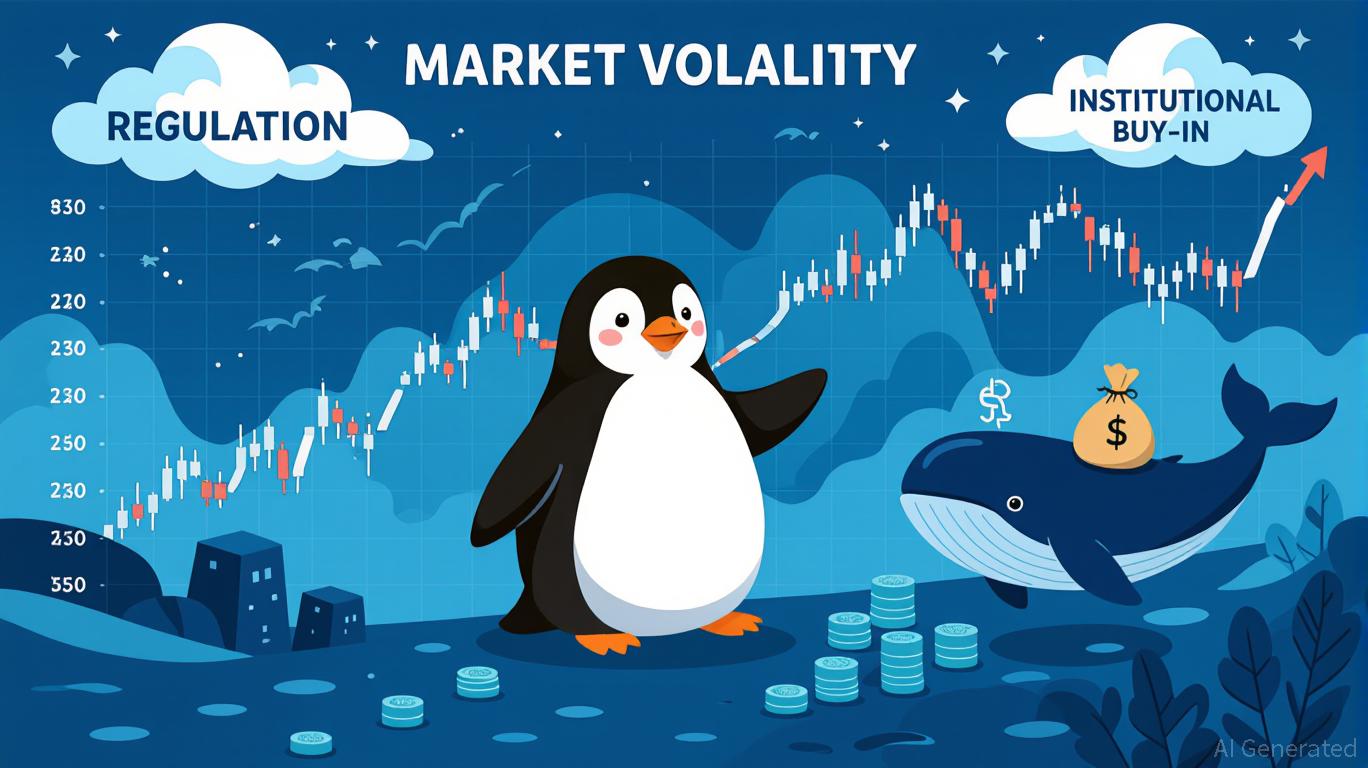
PENGU Price Forecast for 2025: Steering Through Regulatory Challenges and Growing Institutional Confidence
- Pudgy Penguins (PENGU) faces regulatory uncertainty from SEC delays and EU MiCA, causing 30% price drops due to compliance risks. - Institutional interest grows with $273K whale accumulation and rising OBV, contrasting retail fear (Fear & Greed Index at 28). - Ecosystem expansion via Pudgy World and penguSOL, plus Bitso partnership, aims to boost utility but depends on user adoption and regulation. - Expert forecasts diverge: $0.02782 (CoinCodex) vs. $0.068 (CoinDCX), with technical analysis highlighting
PENGU USDT Selling Indicator and What It Means for Stablecoin Approaches
- PENGU/USDT's 2025 collapse triggered $128M liquidity shortfall, exposing systemic risks in algorithmic stablecoins. - Technical indicators (RSI 40.8, bearish MACD) and 52.55% 30-day price drop signal deepening market distrust. - Regulatory frameworks (GENIUS Act, MiCA) and AI-driven risk analytics emerge as critical responses to algorithmic vulnerabilities. - Experts urge hybrid models combining CBDC stability with AI governance to address algorithmic stablecoins' inherent fragility.
Hyperliquid (HYPE) Token: Analyzing the Drivers and Longevity Behind Its Latest Price Rally
- Hyperliquid's HYPE token surged to $42.03 in 2025 from $3.20, driven by product upgrades (HyperEVM, HyperCore) and institutional adoption. - Strategic partnerships with Anchorage Digital and Circle , plus regulatory compliance, boosted credibility and decentralized trading volume (73% market share by 2025). - Bitcoin's $123k high in July 2025 correlated with HYPE's peak, reflecting broader crypto market optimism for low-fee decentralized futures infrastructure. - Sustainability risks include token unlock

Trending news
MoreCrypto prices
More





