
Practicality Over Hype: Crypto Onboarding Shifts in 2025
- Bitcoin's dominance wanes as utility-driven projects like Remittix (RTX), Pi Network, and Cardano (ADA) redefine crypto onboarding through real-world financial solutions in 2025. - Remittix's beta wallet enables instant crypto-to-fiat conversions across 30+ countries, raising $26.3M via presale with 0.1% fees and CertiK audit support. - Pi Network struggles with liquidity due to non-tradable tokens, while Cardano's technical upgrades lag behind RTX's operational cross-border payment solutions. - Market t

Bitcoin is no longer the only entry point for individual investors looking to get involved in crypto. By 2025, projects focused on real-world use cases—such as Remittix (RTX), Pi Network, and
Remittix (RTX) has become a prominent force in the Payment Finance (PayFi) space, aiming at the $19 trillion global remittance sector. Its beta wallet, which debuted in Q3 2025, supports immediate crypto-to-fiat exchanges in over 30 nations, utilizing
Pi Network, despite boasting over 30 million users, is struggling to move beyond its "enclosed mainnet" stage. Tokens mined by users are still not available for trading on leading exchanges, which restricts liquidity and practical use. Although the project’s Hackathon and $160,000 prize pool indicate ecosystem development, the absence of a live mainnet and postponed token release have shaken investor trust. In comparison, Remittix’s functioning beta wallet and more than 400,000 transactions processed by Q3 2025 make it a more immediate solution for international payments.
Cardano (ADA) continues to have a solid presence in developing markets, recording 2.6 million daily transactions and over 17,000 smart contracts. Institutional uptake in Brazil and Nigeria, along with upgrades like Vasil and Conway, have boosted its scalability. However, its slower rollout and lack of a comprehensive crypto-to-fiat platform have caused it to lag behind projects like RTX, which deliver direct payment capabilities. While Cardano is positioned as a long-term infrastructure project, its near-term attractiveness is limited due to its focus on technical improvements rather than instant utility.
Trends in 2025 highlight the need for fast execution and practical solutions. Remittix’s planned reach to more than 50 countries by 2026, together with its deflationary tokenomics and listings on BitMart and LBank, make it stand out as a premier investment choice. Analysts anticipate that RTX could deliver returns as high as 7,500% by 2025, spurred by global trends favoring digital payments in developing regions. Meanwhile, Pi Network’s liquidity issues and Cardano’s slow progress reinforce the market’s shift toward projects with clear, real-world applications.
The move toward utility-focused onboarding in crypto demonstrates a growing demand for platforms that connect decentralized finance with traditional banking systems. As retail investors look for alternatives to Bitcoin’s price swings and limited transaction use, projects like Remittix are opening up new possibilities with affordable, rapid cross-border payment solutions. This transition marks the beginning of a new phase where practical value and scalability, rather than hype, will be the main drivers of success in the market.
[1] Why Remittix (RTX) is Outpacing Pi Network and Cardano in 2025 (https://www.bitget.com/news/detail/12560604947530)
Disclaimer: The content of this article solely reflects the author's opinion and does not represent the platform in any capacity. This article is not intended to serve as a reference for making investment decisions.
You may also like
The ChainOpera AI Token Collapse: A Cautionary Tale for AI-Powered Cryptocurrency Markets?
- ChainOpera AI (COAI) token's 96% collapse in late 2025 exposed systemic risks in AI-blockchain markets, mirroring 2008 crisis patterns through centralized governance and speculative hype. - COAI's extreme centralization (96% supply in top 10 wallets) and tokenomics (80% locked until 2026) created liquidity crises, undermining blockchain's decentralized ethos. - Regulatory actions intensified post-crash, with SEC/DOJ clarifying custody rules and targeting fraud, yet CLARITY/GENIUS Acts created compliance

The COAI Token Fraud: An Urgent Warning for Individual Investors in the Cryptocurrency Market
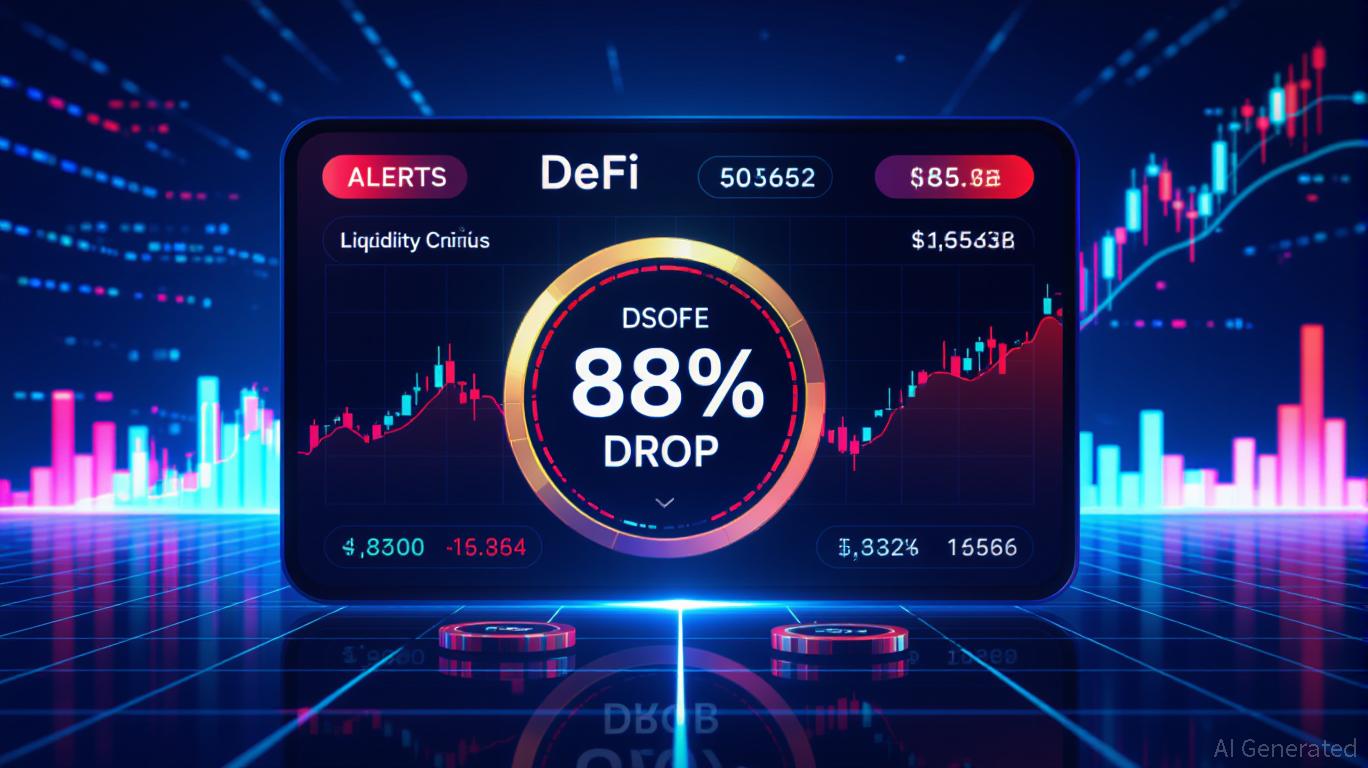
- COAI token's 88% devaluation in late 2025 erased $116.8M, exposing systemic risks in AI-integrated DeFi ecosystems. - Centralized control (87.9% tokens in 10 wallets) and algorithmic stablecoin failures enabled coordinated manipulation and liquidity collapse. - Regulatory gaps allowed cross-border operations in jurisdictions like Southeast Asia, highlighting urgent need for AI-powered oversight and standardized protocols. - Investors must prioritize smart contract audits, transparent governance, and on-c
Examining the Latest Decline in PENGU Value: Key Drivers and What It Means for Cryptocurrency Investors
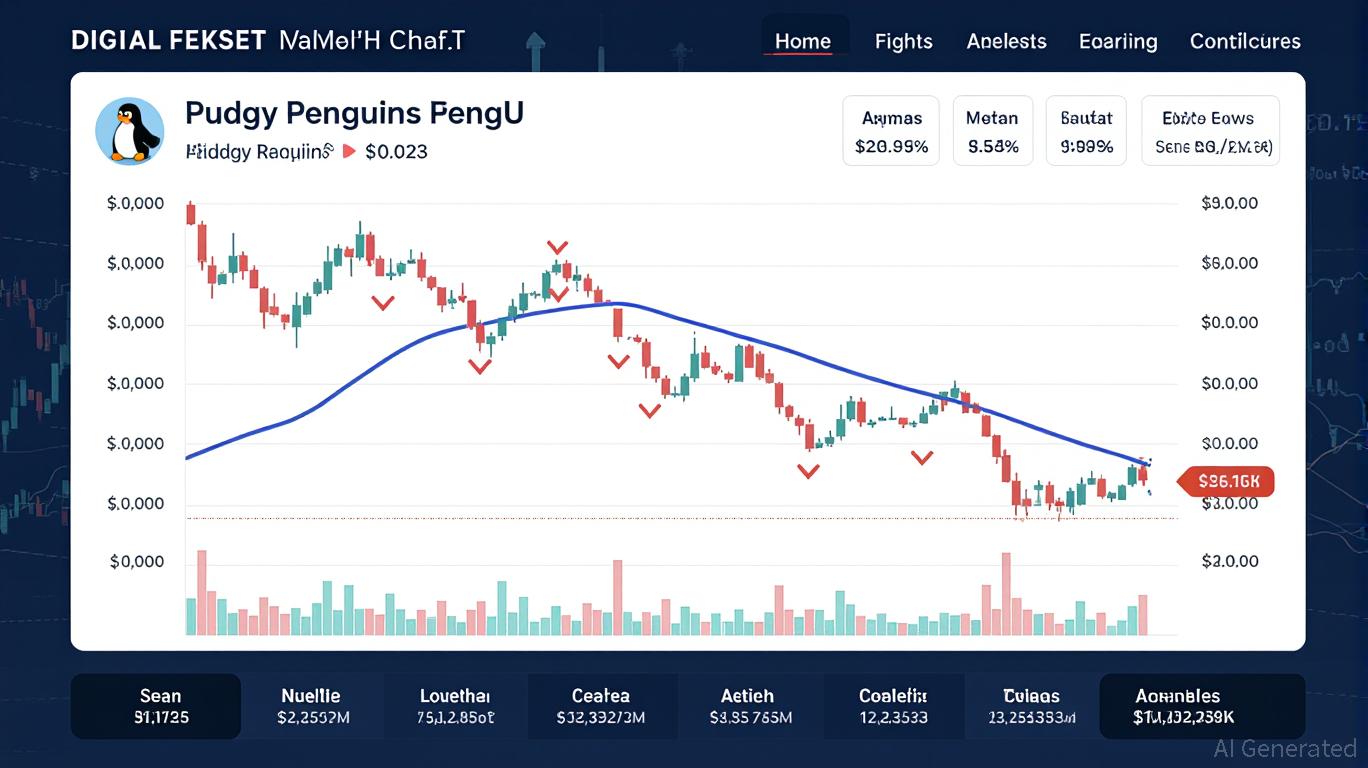
- Pudgy Penguins (PENGU) plummeted 30% in late 2025 due to regulatory uncertainty, algorithmic trading triggers, and a $66.6M team activity event. - The collapse exposed systemic risks in crypto, including stablecoin liquidity crises and interconnectedness with traditional finance via ETFs and leverage. - Investors are urged to prioritize diversification, liquidity monitoring, and regulatory compliance to mitigate risks from opaque projects and volatile markets.
DOGE rises 5.58% over 24 hours following Japan’s introduction of a reform unit focused on efficiency
- Japan launched its Department of Government Efficiency (DOGE) on Dec 2, 2025, to audit and eliminate inefficient tax breaks and subsidies. - The initiative, modeled on but distinct from the U.S. DOGE , emphasizes data-driven reviews and public feedback to redirect funds to priority areas. - Finance Minister Taro Aso stressed alignment with Bank of Japan's monetary policy and fiscal transparency, aiming to restore public trust amid economic challenges. - Reforms targeting outdated subsidies will begin in

Trending news
MoreCrypto prices
More





