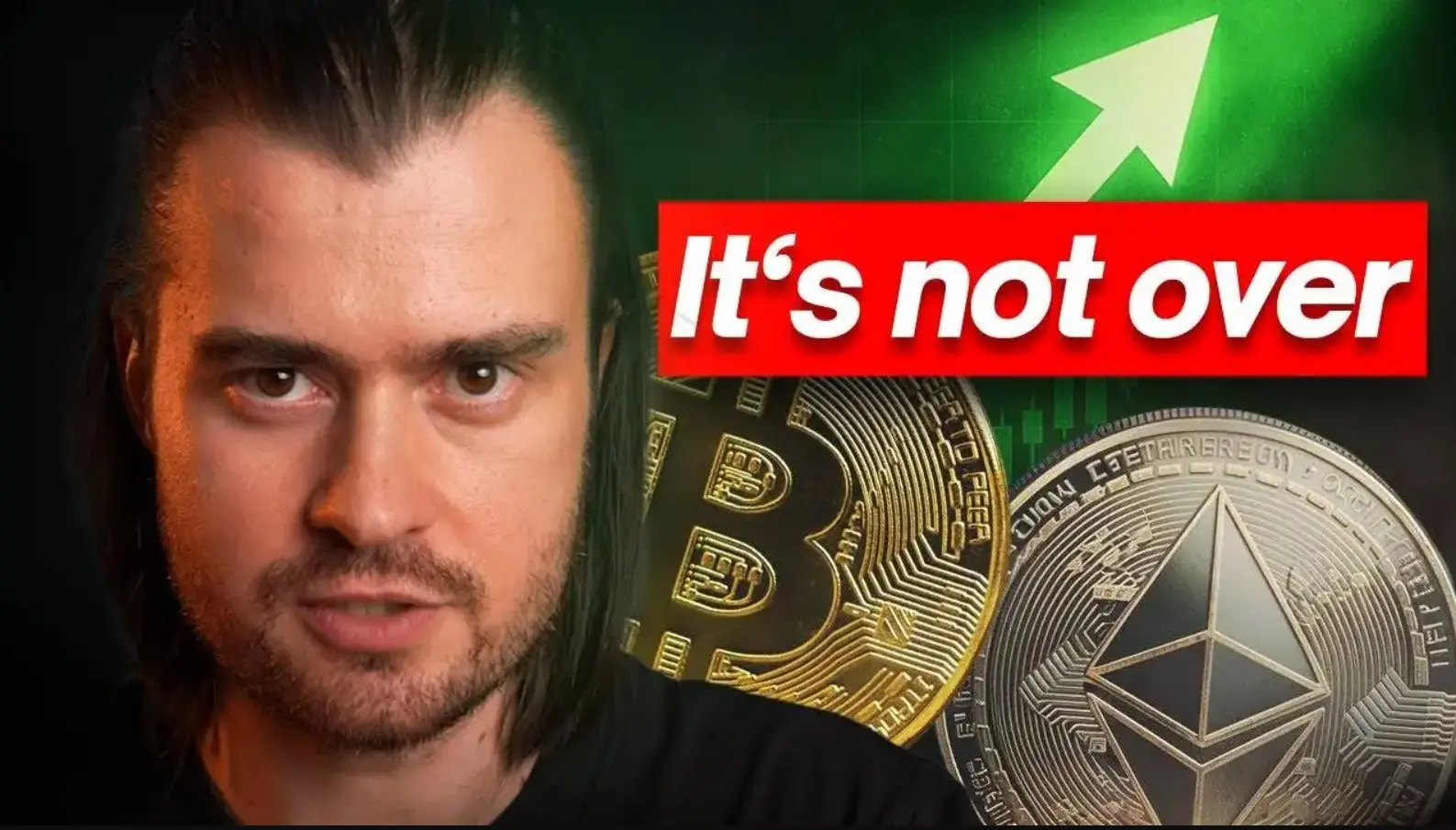
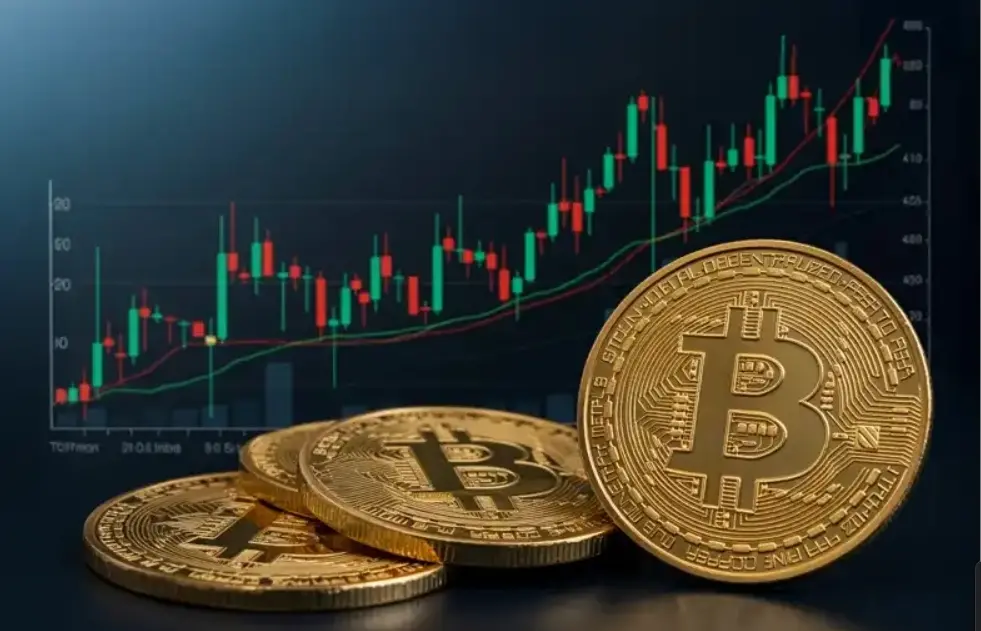
As the crypto market attempts to rebound from a deep downturn, every swing tugs at the nerves of global investors. Unlike the cold data of charts, the voices of key opinion leaders (KOLs) in the market provide us with a more vivid dimension to understand this turbulence—here, we find almost evangelical declarations of faith, cold and pragmatic asset selection, and profound warnings about macro changes. Their viewpoints clash fiercely, collectively painting a complex and divided consensus landscape of the current market.

I. The Banner of Faith—"Embrace Volatility, Run Toward the Flame"
This type of KOL is the "fundamentalist" and long-term evangelist of the crypto world. They see market volatility as a necessary evil, even as proof of an asset's vitality. Their core narrative goes beyond short-term price swings and points directly to fundamental industry transformation.
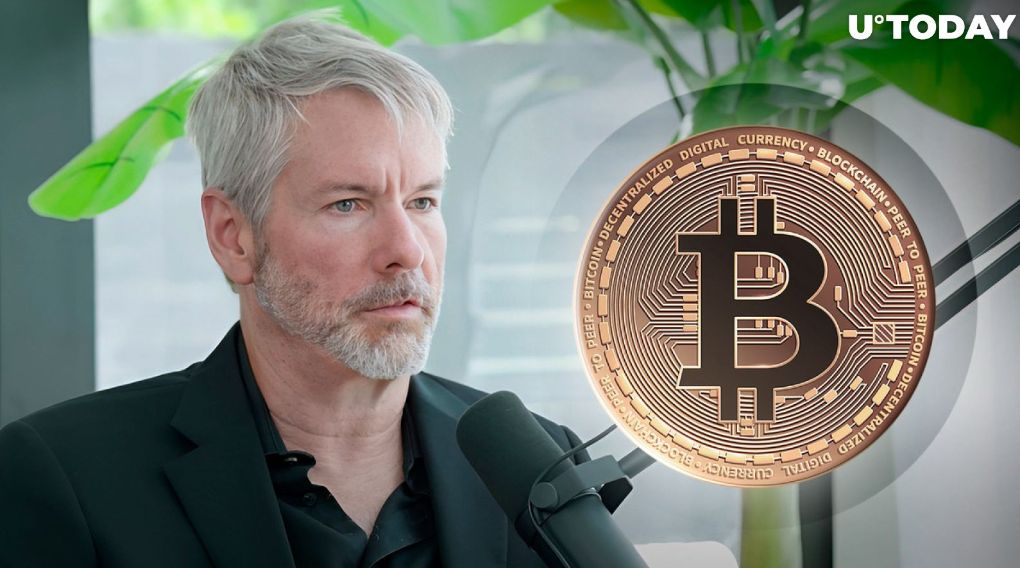
Michael Saylor, the pioneer who turned the listed company MicroStrategy into a "Bitcoin standard" giant, delivered a classic speech in the face of market turbulence at the Dubai Binance Blockchain Week on December 3.
● He did not soothe emotions; instead, he issued a highly provocative call: "Don't run away from the fire, run towards the fire."
● In his view, volatility is not a flaw but rather evidence of Bitcoin's powerful strength: "There is volatility in the market, there is noise and agitation, and there is doubt... but volatility means this is the most powerful, vibrant, and useful thing in the entire capital market. That is why it is volatile." He likened current skepticism to historical doubts about electricity, cars, and airplanes, believing this is a necessary stage for the acceptance of any revolutionary technology.
● Saylor's confidence comes from his firm belief in the global adoption of "digital capital." He specifically pointed out that the most exciting development is the global financial sector beginning to embrace Bitcoin.
● He listed examples from Trump's declaration of a "crypto superpower" to the fundamental shift in attitude among major U.S. banks: from none willing to accept Bitcoin-collateralized loans to now eight out of the top ten already involved in crypto lending. This fundamental transformation of financial infrastructure is the basis for his disregard of short-term volatility and his firm resolve to "run toward the fire."
"Liang Ge" and other steadfast bulls in the market offer more specific and tactical expressions of faith.
● At the end of November, he publicly predicted, "By mid-December at the latest, the crypto market will inevitably recover across the board," and gave bold target prices: BTC breaking $100,000, ETH standing above $3,600.
● His logic combines macro, on-chain, and sentiment analysis: the period of liquidity tightening has passed, major funds are accumulating, and the shift in market sentiment from greed back to calm has laid the foundation for a rally.
● Such public and concrete predictions are themselves a strong declaration of faith, aiming to consolidate market confidence and call on investors to "plan for the future, not get entangled in the present."
II. Cold Pragmatism—"All You Need Is BTC and ETH"
Coexisting with the faith-based camp are the calm, even cold, pragmatists. They are not keen on grand narratives but make highly concentrated choices from the perspectives of capital efficiency, risk management, and asset utility.
● Kevin O’Leary (also known as "Mr. Wonderful") is a flag-bearer of this camp. On December 1, he made it clear that altcoins would "not rebound" after this market correction. His logic is direct and utilitarian: investors have realized that holding only Bitcoin (BTC) and Ethereum (ETH) is enough to capture 97.5% of the 'alpha' returns of the entire crypto market.
● "If you have these two, it doesn't matter what happens elsewhere. Because everything else (assets) falls with higher trading volume and does not recover, because they have no use case." O’Leary pointed out that, unlike previous market cycles, this time altcoins did not experience the expected rebound. He has long advised followers to stay away from "irrelevant tokens" and observed that the younger generation (Gen Z) is shifting their investment habits to make BTC and ETH core allocations alongside traditional stocks.
● This view reflects a profound change in market perception: after multiple bull and bear cycles, a large amount of capital has begun to question the long-term value of thousands of altcoins, instead condensing the core value of the crypto market into these two most liquid, network-effect, and (relatively) fundamentally clear leading assets. This has led to severe internal market division, with rebound momentum likely to be highly concentrated at the top, while the vast majority of projects are abandoned by liquidity.
III. The Macro String—Listening to the Fed and the Tides of Liquidity
KOLs also play the role of "macro interpreters," placing the crypto market within the torrent of the global financial system, believing its fate is closely tied to central bank policy tides. In December, all eyes were on the Federal Reserve.
● Although not a traditional crypto KOL, Ray Dalio, founder of Bridgewater Associates, issued a warning about "Asset Melt-up" that was widely cited and profoundly influenced the macro narrative of the crypto market. This view holds that under certain conditions, excessive liquidity pouring into the financial system can trigger irrational surges in all types of asset prices. Cryptocurrencies, due to their high volatility and global liquidity, are seen as potential "liquidity sponges."
● Against this backdrop, every move by the Federal Reserve is magnified and scrutinized. On December 2, a commentary in 21st Century Business Herald noted that after the latest Fed Beige Book release, Wall Street's expectation for a rate cut restart in December quickly rose to 85%. The market is weighing whether the Fed will reprioritize between "achieving the 2% inflation target" and "supporting job growth."
● The article further revealed possible differences between the White House and the Fed. Former White House economic adviser and current National Economic Council Director Kevin Hassett—also a hot candidate for the next Fed chair—publicly stated that "rates should be cut now," arguing that the data supports such action. This signal of pressure from political leadership has reinforced market expectations for a policy shift.
● Meanwhile, some macro strategy analysts (such as YouTube channel host Arthur) have pointed out that the end of quantitative tightening (QT) by the Fed may be even more important than rate cuts, as it marks the official end of the liquidity contraction cycle. They believe this will be the starting point for a new round of global asset price revaluation, from which cryptocurrencies will benefit.
IV. Sentinels of Sentiment—Capturing Subtle Moments in Market Psychology
In addition to the three types of profound viewpoints above, there is also a group of "sentiment sentinel" KOLs in the market. They may not provide lengthy analysis, but their brief calls often precisely capture or ignite the collective psychology of the market at a given moment.
● Veteran trader Eric Klyptoman simply called out on December 1: "Let's have a good old-fashioned U.S. session rally." This statement lacks complex logic but evokes traders' fond memories of past "U.S. trading sessions leading global market rallies," aiming to spark a collective bullish sentiment.
● Wall Street observer Camilla McFarland commented on December 3: "Wall Street's marketing army has been mobilized, and crypto is now on the menu." This brief remark suggests that traditional financial institutions are now positioning crypto assets as the next major product category to promote and sell to mainstream clients, boosting confidence from the perspective of expected capital inflows.
V. Divergence and Consensus
Looking across these noisy viewpoints, we can sort out the core threads of the current intellectual clashes in the crypto market:
● The disconnect between long-term narratives and short-term realities: The "digital capital" revolution depicted by Saylor and others is a long-term, irreversible narrative; while the "death of altcoins" focused on by O’Leary and others is a cold short-term reality. Investors must find a balance between vision and the present.
● Highly concentrated asset selection: A strong consensus is forming that, regardless of market ups and downs, capital will further concentrate on BTC and ETH, the two "blue-chip" assets. This may lead to the disappearance of the so-called "altcoin season," or make it extremely brief and fragile.
● Absolute reliance on macro policy: Regardless of the stance of different KOLs, they all assume one premise: the short-term direction of the crypto market almost entirely depends on the Federal Reserve's monetary policy pace and the broader global liquidity environment. The market has become a "secondary volatility amplifier" of the macroeconomy.
● Fundamental differences in the perception of volatility: This is the most fundamental divergence. One side (like Saylor) sees volatility as a feature to be embraced, representing vitality; the other side (like many cautious macro investors) sees it as a major risk to be managed and avoided. This determines completely different investment strategies and behaviors.
For investors, the important thing may not be to blindly follow the banner of any one KOL, but to understand the logical spectrum behind these viewpoints. In the trio of faith, pragmatism, and macro, discerning your own position is the only way to make clear decisions in this rebound (or attempted rebound) full of noise and opportunity. The true direction of the market will ultimately be written by the contest and fusion of these divergent viewpoints.