Investing for Tomorrow: Eco-Friendly Energy Systems and the Growth of Green Cities
Transforming Urban Energy: Innovations and Investment in Sustainable Infrastructure
As the world intensifies efforts to create environmentally responsible energy systems, technological breakthroughs and the urgent necessity to reduce urban carbon emissions are accelerating change. With cities responsible for more than 70% of global CO₂ output, new solutions are revolutionizing how energy is produced, delivered, and used. For investors, this shift offers a rare chance to combine financial growth with environmental stewardship.
Smart Grids: Building Resilient Urban Energy Networks
Modernizing energy systems begins with smart grid technology. These advanced networks use digital tools, automation, and decentralized energy sources to enhance efficiency and minimize energy loss. Industry forecasts suggest that global spending on smart grids will rise from $72.8 billion in 2025 to $165.5 billion by 2035, underscoring their essential role in supporting renewable integration and grid stability. Cities such as Amsterdam and Singapore are already utilizing smart grids to manage supply and demand in real time, cutting back on fossil fuel use and ensuring reliable service even during severe weather.
Artificial Intelligence: Driving Efficiency and Innovation
Artificial intelligence is reshaping energy management on multiple fronts. While AI-powered data centers require substantial electricity, AI also enables smarter energy use through predictive analytics and automation. For example, intelligent building management systems can lower energy usage by up to 30% by adjusting climate and lighting based on occupancy. In manufacturing, machine learning is reducing both energy waste and emissions. At the same time, the energy needs of AI are spurring advances in localized renewables and innovative cooling, helping to keep its environmental impact in check.
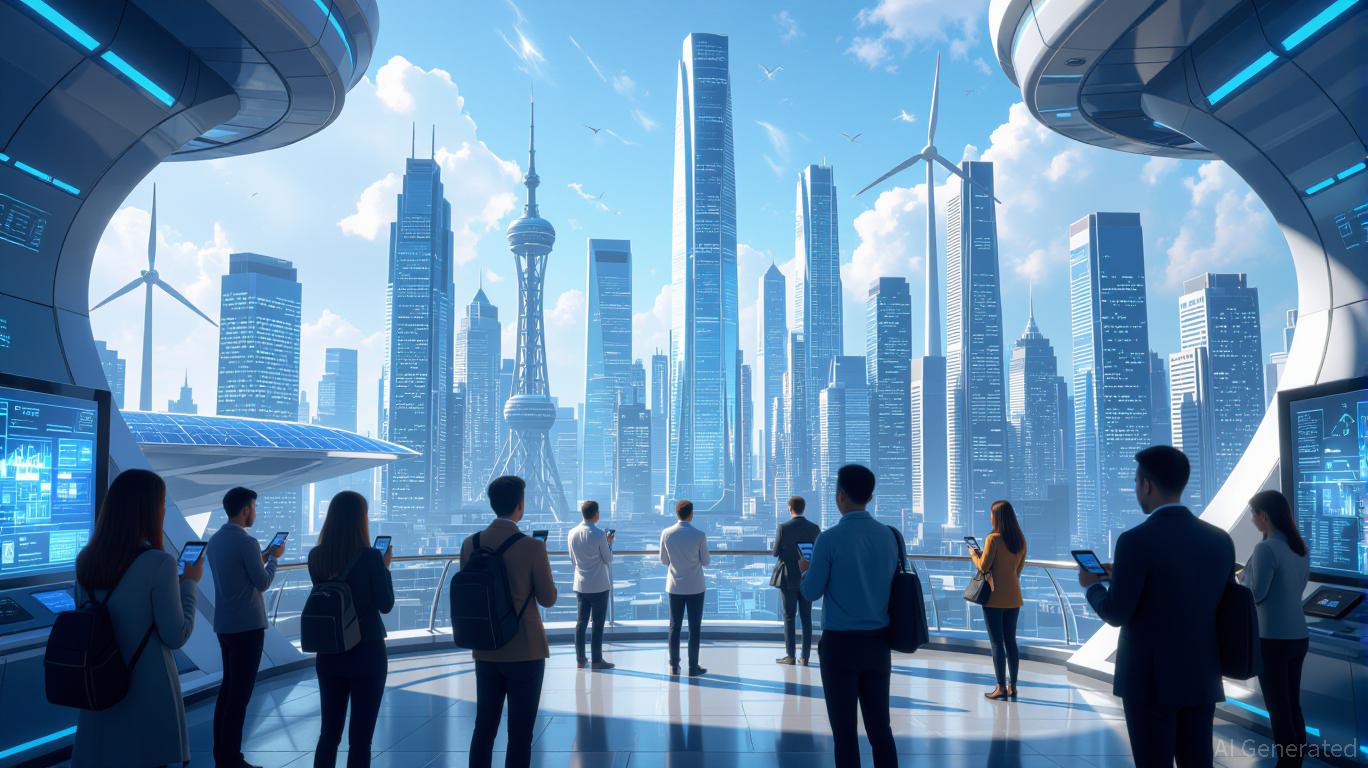
Renewables and Storage: Powering the Clean Energy Shift
Solar and wind have become the most cost-effective electricity sources in many areas, with solar capacity on track to double by 2025. Progress in energy storage—such as lithium-ion batteries and hydrogen solutions—is helping to address the variability of renewables and maintain grid reliability. According to the International Energy Agency, global investments in renewables, grid upgrades, and storage reached $2.2 trillion in 2025, with solar photovoltaic projects alone drawing $450 billion. Emerging economies like India are making significant strides, investing $101 billion in clean energy in 2025, though they still account for only a fraction of global spending despite representing a large share of the world’s population.
Circular Economy: Sustainable Materials for Urban Growth
As cities expand, traditional construction methods contribute to nearly a third of worldwide CO₂ emissions. Embracing circular economy strategies—such as using reclaimed wood, recycled steel, and concrete that incorporates captured carbon—helps reduce this impact. Regulations like New York City’s Local Law 97 and California’s CALGreen are encouraging waste reduction and emissions control. Meanwhile, startups are pioneering carbon-negative materials and modular construction techniques to further minimize waste.
Policy and Investment: Accelerating the Energy Transition
Supportive government policies are speeding up the adoption of sustainable technologies. Initiatives like the U.S. Inflation Reduction Act and the European Union’s Green Deal are establishing favorable conditions for clean energy, offering incentives such as tax credits and grants. Additionally, countries are focusing on domestic production of solar panels and storage solutions to strengthen energy security. For investors, these trends open doors in both mature and developing markets, where infrastructure needs create significant opportunities for growth.
Obstacles and Prospects
Despite notable advancements, several hurdles remain. The expansion of energy grids is not keeping pace with rising demand, necessitating a 50% increase in advanced economies and over 150% in emerging markets by 2050. Supply chain issues and trade regulations, including U.S. FEOC rules, add complexity to project financing. Nevertheless, community-driven initiatives, such as Denmark’s Samsø Island—fully powered by wind and solar—showcase the potential of decentralized, robust energy systems. Investors who focus on scalable, policy-supported technologies and collaborate with local partners are best equipped to succeed in this evolving landscape.
Looking Ahead
Environmentally responsible energy infrastructure has become central to sustainable urban development. From AI-enhanced efficiency to circular construction, today’s innovations are creating attractive prospects for investors. With global clean energy spending expected to exceed $3.3 trillion in 2025, the call to action is stronger than ever. Those who invest strategically will find that the future of energy is not only sustainable, but also financially rewarding.





