New Prospects for Economic Growth Infrastructure in Upstate New York
Revitalizing Upstate New York: The Power of Strategic Infrastructure Investment
Upstate New York’s economic resurgence is being driven by a key realization: investing in infrastructure for ready-to-build sites can spark enduring growth, draw in innovative industries, and generate lasting job opportunities. A recent example is the $9.8 million FAST NY grant awarded to Webster, NY, which is transforming a former brownfield into a center for advanced manufacturing. This project, part of a broader $51 million state initiative, highlights how public-private partnerships and targeted infrastructure improvements can breathe new life into regional economies.
Webster, NY: Setting the Standard for Ready-to-Build Projects
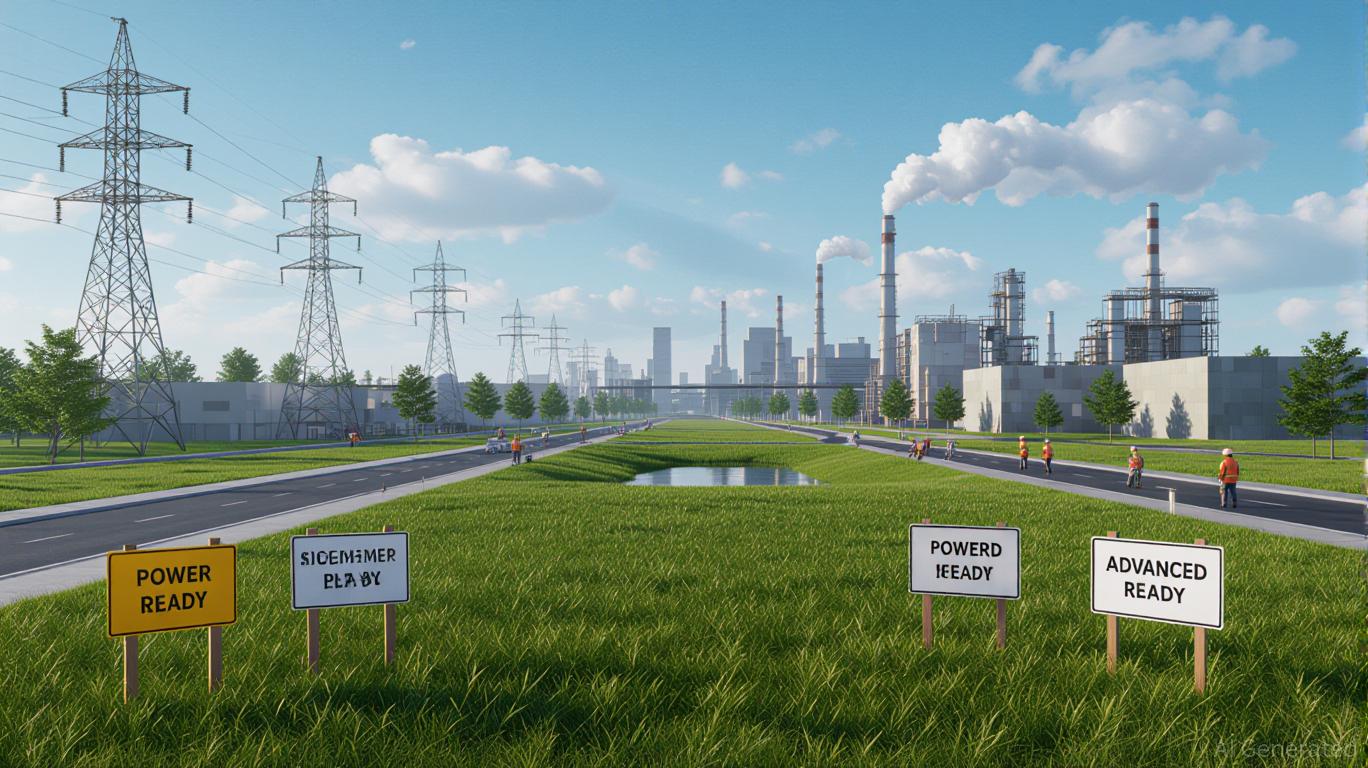
The Webster Community Coalition for Economic Development, Inc. has utilized the FAST NY grant to rejuvenate the Xerox campus and the Northeast Area for Technology (NEAT) site. Investments in road reconstruction, upgrades to sanitary sewers, and comprehensive electrical planning are turning nearly 300 acres of previously underused land into a prime location for advanced manufacturing. By 2025, the area’s industrial vacancy rate has already dropped to 2%, significantly below the national average of 7.4%.
This achievement is the result of collaborative efforts, including the Reimagine Webster Initiative, which, with support from the NY Forward Program and the Community Access Project, has opened 8.5 lane-miles of roads to the public and secured an additional $4.5 million for community enhancements. These partnerships not only address environmental concerns through brownfield designations but also align public and private interests to speed up development.
Expanding the Approach: Infrastructure Renewal Across Upstate
Webster’s progress is part of a larger movement throughout Upstate New York, where similar public-private collaborations are transforming industrial zones. For example, Oneida County’s $32.36 million FAST NY grant for the Triangle Site enabled Chobani’s $1 billion expansion, resulting in thousands of new jobs and strengthening the region’s reputation in food manufacturing. In Broome and Oswego Counties, improvements to roads, sewer systems, and electrical infrastructure are making these areas attractive to companies in the semiconductor supply chain. These efforts reflect a shift in perspective: infrastructure is now seen as a strategic asset for attracting fast-growing industries.
Governor Kathy Hochul’s new $300 million POWER UP initiative builds on this momentum. By focusing on electrical and transmission systems, the program ensures that industrial sites are not only ready for construction but also equipped to meet the energy needs of advanced manufacturers, including those in semiconductors and clean technology. This forward-thinking strategy reduces both the time and expense of preparing sites, positioning Upstate New York as a strong competitor to traditional manufacturing centers.
Wider Economic Benefits and Future Prospects
The positive effects of these investments extend far beyond individual projects. Upstate Medical University, for instance, has shown how infrastructure-focused institutions can fuel regional prosperity. In fiscal year 2024, the university contributed $3.2 billion to the state’s economy, supported 24,000 jobs, and generated $241.6 million in tax revenue. Its research spending has grown from $35.2 million in 2020 to $54.8 million in 2024, demonstrating how investments in education and healthcare infrastructure can complement industrial growth.
Additionally, the NY SMART I-Corridor—a $40 million federal and state initiative connecting Buffalo, Rochester, Syracuse, and Ithaca—is accelerating semiconductor research and manufacturing. This corridor is expected to attract substantial private investment, establishing Upstate New York as a key player in the national semiconductor supply chain. Such projects not only bring in high-paying jobs but also nurture innovation ecosystems that support long-term economic stability.
Looking Ahead: Aligning Investment and Policy for Lasting Impact
For both investors and policymakers, the experiences of Webster and similar communities offer clear guidance. Success in ready-to-build projects depends on aligning infrastructure improvements with the specific needs of sectors like advanced manufacturing, semiconductors, and clean technology. Leveraging public-private partnerships allows for shared risk and resources, while regulatory tools such as brownfield designations and tax incentives help remove obstacles to development.
Nonetheless, challenges persist. Aging infrastructure and a shortage of affordable housing in Upstate New York call for further collaboration, especially in housing and transportation. Initiatives like the state’s $500 million commitment to affordable housing on public land illustrate how infrastructure investment can address both economic and social needs.
Conclusion
The transformation of Upstate New York’s economy is already underway. By focusing on ready-to-build projects and fostering strong partnerships, the region is laying the groundwork for sustainable prosperity. For investors, the possibilities are extensive—from developing industrial sites to upgrading energy infrastructure. These investments promise not only financial returns but also the revitalization of communities and a strengthened role for New York in the global marketplace.






